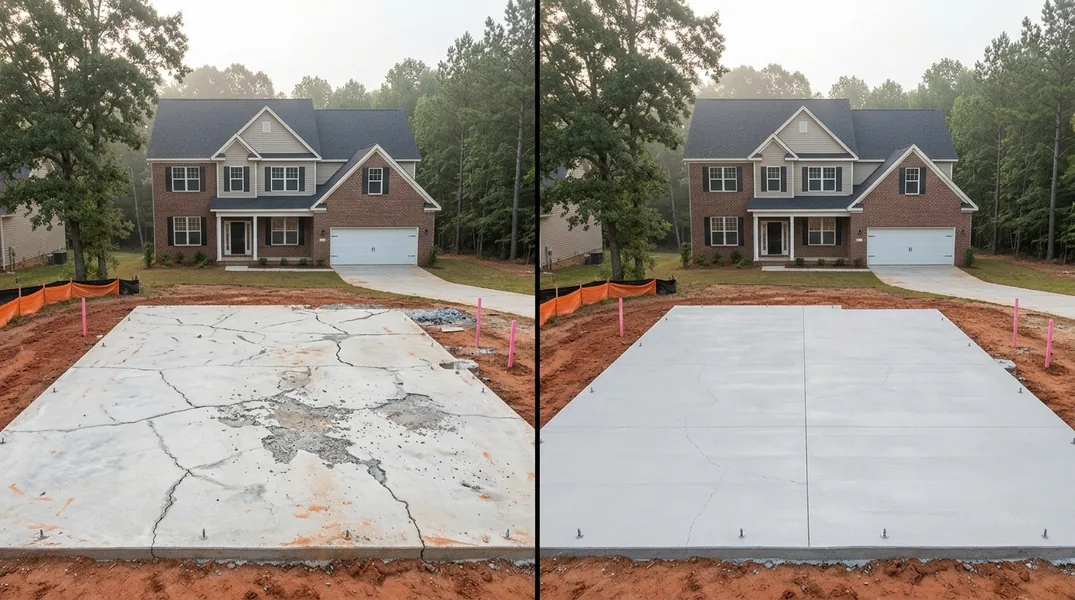
Understanding New Construction Concrete Slabs in Columbia
Purchasing a new construction home in Columbia is an exciting milestone, but it comes with unique responsibilities that many first-time buyers overlook. One of the most critical components of any new home is the concrete foundation slab, yet it rarely receives the attention it deserves during the closing process. Whether you're building in central Columbia or the surrounding areas, understanding what lies beneath your home is essential to protecting your investment.
The concrete slab serves as the structural foundation for your entire house, bearing the weight of walls, floors, and everything inside. In the South Carolina climate, where humidity and soil conditions can shift seasonally, the quality of this slab directly impacts your home's long-term stability, energy efficiency, and resale value. A poorly constructed or improperly cured slab can lead to cracking, uneven settling, moisture intrusion, and costly repairs down the road. That's why taking time to understand new construction concrete slab Columbia SC standards and performing a thorough inspection before closing is one of the smartest decisions you can make as a homeowner.
What to Look for During Your Builder Foundation Inspection
A builder foundation inspection is your first line of defense against future slab problems. Before you sign closing documents, schedule a professional inspection or at minimum, conduct a detailed visual walkthrough of the slab. Start by looking for visible cracks, which are common in new construction but can indicate deeper issues if they're wide, numerous, or spreading. Hairline cracks (less than 1/8 inch wide) are generally normal as concrete cures and shrinks, but cracks wider than 1/4 inch may signal inadequate reinforcement, poor concrete mix, or subgrade preparation problems.
Next, check for signs of uneven settling or heaving. Walk across different areas of the slab and note any high spots, low spots, or areas where flooring materials don't sit flush. Use a straightedge or long level to measure deviations. Pooling water or damp spots indicate drainage issues that could lead to moisture problems in your basement or crawlspace. Look at the perimeter where the slab meets the foundation walls, checking for gaps, separation, or signs of water damage. Don't forget to inspect the garage slab as well, since it experiences heavy loads and temperature fluctuations. If you notice any concerns, document them with photos and discuss them with your builder before closing. Many builders will address issues if they're identified during this critical window.
Decoding Your New Home Slab Warranty
Understanding your new home slab warranty is crucial because it defines your protection if problems arise after closing. Most builders offer a one-year structural warranty that covers major defects in the concrete slab itself, such as significant cracking or settling that affects the home's structural integrity. However, warranty terms vary widely between builders and can include numerous exclusions. Read your warranty documentation carefully, paying special attention to what is and isn't covered, the claim process, and any time limits for reporting issues.
Some warranties distinguish between normal shrinkage cracks (typically not covered) and structural cracks (usually covered if they exceed certain widths). Others may exclude damage caused by ground movement, poor drainage, or homeowner actions. Ask your builder for a written explanation of the warranty's specific terms and get clarification on any ambiguous language before you close. Keep all documentation in a safe place and photograph the slab condition on move-in day as a baseline. If problems develop within the warranty period, report them promptly and in writing. Understanding these details upfront prevents disputes and ensures you know exactly what recourse you have if the slab fails to perform as expected.
Soil Conditions and Drainage: Why They Matter for Your Slab
The quality of your concrete slab depends heavily on factors that occur before the concrete is ever poured. Proper site preparation, soil compaction, and drainage design are foundational to slab longevity. In the Columbia area, where clay soils and seasonal moisture fluctuations are common, these preparation steps are especially important. Ask your builder about the subgrade preparation process, including soil testing, compaction methods, and any fill material used. Well-compacted soil prevents settling, while poor compaction can cause the slab to develop cracks and uneven surfaces over time.
Drainage is equally critical. Your slab should be sloped slightly away from the house to direct water away from the foundation. Check that gutters, downspouts, and grading direct water at least 4 to 6 feet from the foundation perimeter. If your lot slopes toward the house or if drainage systems are inadequate, moisture can accumulate beneath the slab, causing expansion, heaving, or damage to the concrete itself. Some builders install a vapor barrier or moisture control layer beneath the slab, which helps prevent moisture migration into the home. Ask whether this was done on your slab and request documentation. These invisible components won't be visible after construction, but they're vital to your home's long-term health and comfort.
Common Slab Problems and When to Call a Professional
Even with a thorough inspection and a solid warranty, problems can still emerge. Knowing the difference between normal concrete behavior and genuine defects helps you decide when professional intervention is needed. Hairline shrinkage cracks are cosmetic and expected; they typically don't affect structural integrity. However, if you notice a pattern of cracks radiating from one point, cracks that continue to widen months after closing, or cracks accompanied by uneven flooring, those are warning signs that warrant professional evaluation.
If you experience persistent moisture issues, visible mold growth, or a musty odor in basement or crawlspace areas, the slab or its drainage system may be failing. Similarly, if doors and windows begin to stick, or if you notice new cracks appearing in drywall or exterior walls, the foundation may be settling unevenly. In these cases, contact a structural engineer or foundation specialist rather than attempting DIY repairs. If you're planning future outdoor improvements like Concrete Driveways or Concrete Patios, a professional can also assess your existing slab condition and advise on compatibility and best practices. For serious slab issues, Concrete Repair & Resurfacing specialists can sometimes restore or stabilize compromised foundations.
Next Steps: Protecting Your Investment Before and After Closing
The weeks leading up to closing are your best opportunity to identify and address slab concerns. Schedule a professional home inspection if your builder hasn't already provided one, and specifically request that the inspector evaluate the concrete foundation slab. Ask detailed questions about any findings and request a written report. If issues are discovered, work with your real estate agent and builder to negotiate repairs or credits before closing. Once you own the home, maintain good drainage around the foundation, monitor the slab for changes, and keep records of any repairs or maintenance performed.
If you have questions about your slab's condition or need expert guidance, Columbia Concrete is here to help. Whether you're concerned about foundation issues or planning future concrete projects around your new home, our team has the expertise to assess your situation and recommend solutions. Contact us today at (803) 830-4186 or visit our website to request a free estimate. We serve Columbia and the surrounding communities, and we're committed to helping homeowners like you make informed decisions about their concrete investments. Your new home deserves a solid foundation, and we're here to ensure it stands the test of time.
Looking for a professional concrete contractor in Columbia? Columbia Concrete responds fast for all your concrete needs.
Get a Free QuoteOur services: Concrete Driveways · Concrete Patios · Stamped & Decorative Concrete